
Seven modules, and what each one actually contains
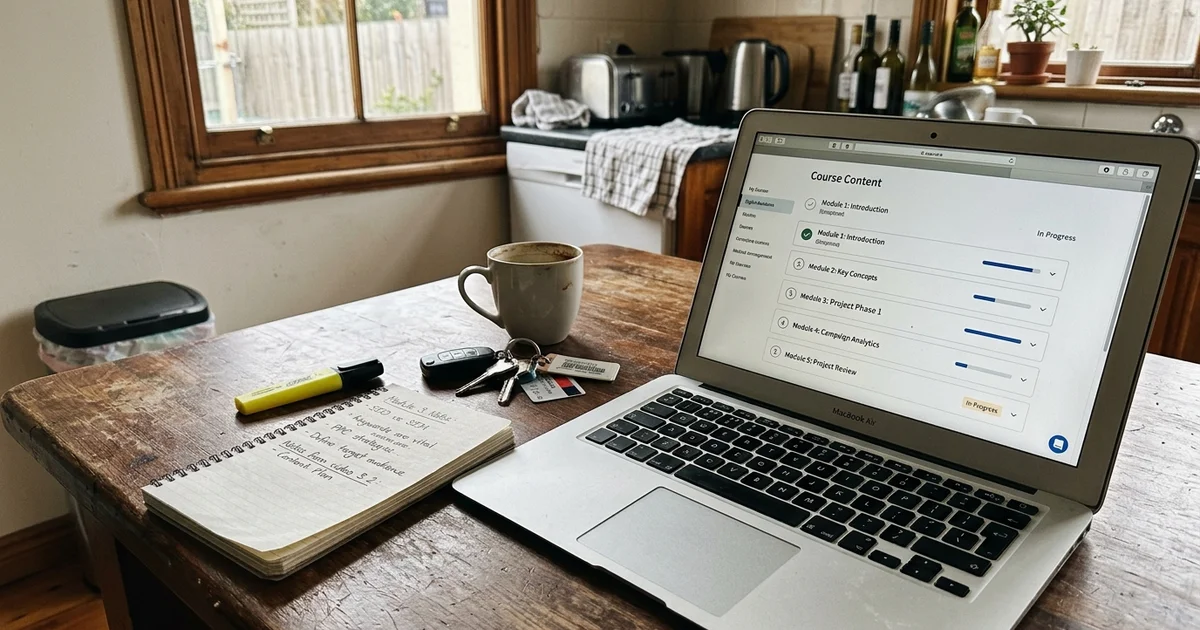
The course replaces the five-day in-person academy we ran for years. Nothing was cut to make it fit online; the delivery changed and the curriculum did not.
Full details and enrollment are on the Bio-Recovery Technician Training page. What follows is what you actually learn.
Module 01: Bloodborne Pathogens
The foundation module, built on OSHA 29 CFR 1910.1030.
Covers Hepatitis B, Hepatitis C, HIV, and MRSA, including transmission routes and surface survival times. Hepatitis B surviving up to seven days on a dried surface is the fact that reshapes how you approach an older scene, and most people are surprised by it.
Also covers exposure control planning, engineering and work practice controls, and what to do in the first hour after an exposure incident. That last part matters because the response window is short and nobody thinks clearly in the moment without a rehearsed procedure.
Module 02: HAZWOPER Fundamentals
Hazardous waste operations and emergency response principles applied to bio-recovery.
Hazard recognition before entry, atmospheric monitoring including 4-gas readings for ammonia and hydrogen sulfide, establishing site control zones, and setting up a decontamination line. If you are going into animal hoarding or gross filth work, this module is the one that keeps you out of trouble.
Module 03: PPE Selection and Use
Level B and Level C ensembles and when each is appropriate. Respirator selection, cartridge matching, and fit testing.
The largest part of this module is the donning and doffing sequence, and there is a reason for that. Most cross-contamination in this trade happens on the way out of the suit rather than on the way in. The sequence is drilled with printable checklists because it needs to be automatic rather than remembered.
Module 04: Crime Scene and Trauma Remediation
The procedural core.
Scene assessment and mapping contamination beyond the visible area. Containment construction and HEPA negative air. The porous versus non-porous decision that governs what gets removed and what gets treated. EPA-registered disinfectant selection and contact time. ATP fluorometer verification.
It also covers working alongside law enforcement and medical examiners, which is a practical skill nobody teaches and everyone needs on their first scene.
Module 05: Hoarding and Gross Filth
Different work, different risks, different client.
The ICD Clutter-Hoarding Scale and how to assess a property against it. Sorting and recovery triage. Animal waste and pest contamination. Subfloor treatment and sealing. Dumpster logistics and permitting.
A substantial section covers client communication, because hoarding disorder is a recognized medical condition and a crew that behaves badly in an occupied home does real damage. This is the module that most affects whether clients recommend you.
Module 06: Regulated Medical Waste
The compliance module, and the one that keeps a new business out of legal trouble.
Waste classification, red bag and DOT-approved container handling, manifesting, chain of custody, and transport rules. Critically, it covers how to set up a disposal account with a licensed facility in your own state, which is a genuine practical obstacle for new operators and is almost never explained anywhere.
Module 07: Starting Your Business
The module students write to us about.
| Topic | What you get |
|---|---|
| Licensing | How to determine what your state and municipality require |
| Insurance | What carriers ask for and what coverage you actually need |
| Equipment | A realistic day-one list, separated from what can wait |
| Pricing | Structures that hold up, and the mistakes that lose money quietly |
| Finding clients | Where the first jobs genuinely come from, which is rarely advertising |
| Operations | Estimates, documentation, and the paperwork clients expect |
Why the business module exists
We watched capable people finish technical training and never start, because knowing how to decontaminate a scene does not tell you what your insurer will ask for or how to price a job profitably. We got both wrong in our first two years, and there is no reason for you to repeat that.
Format and assessment
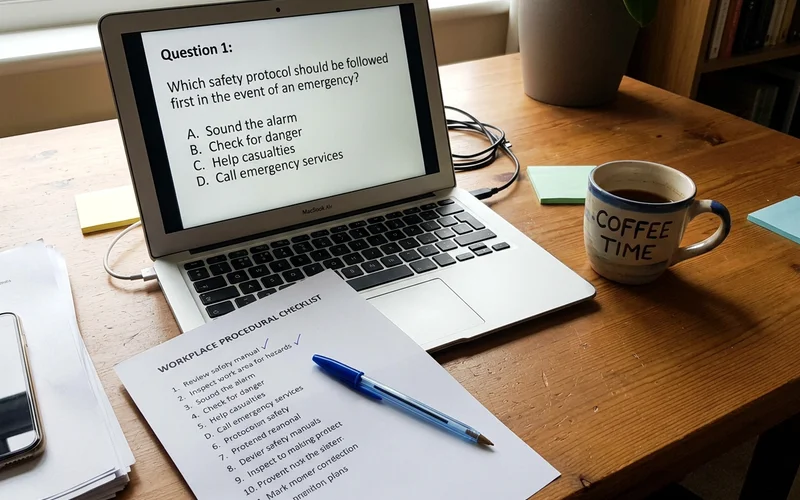
Fully self-paced. Video and written material, with a knowledge check at the end of every module. The assessments mirror decisions technicians actually make on scene rather than testing recall of definitions.
Stop and restart whenever you need without losing progress. Most students finish in two to four weeks around existing work.
What you receive
Your bio-recovery technician certificate on completion of all modules and assessments, with no additional fee. Printable procedural checklists you can take into the field. And a curriculum taught by working technicians using real jobs from Northeast Ohio rather than textbook hypotheticals.
If you are weighing this against an in-person program elsewhere, our guide on online versus in-person crime scene cleanup training sets out an honest comparison, including what genuinely is better in a classroom.