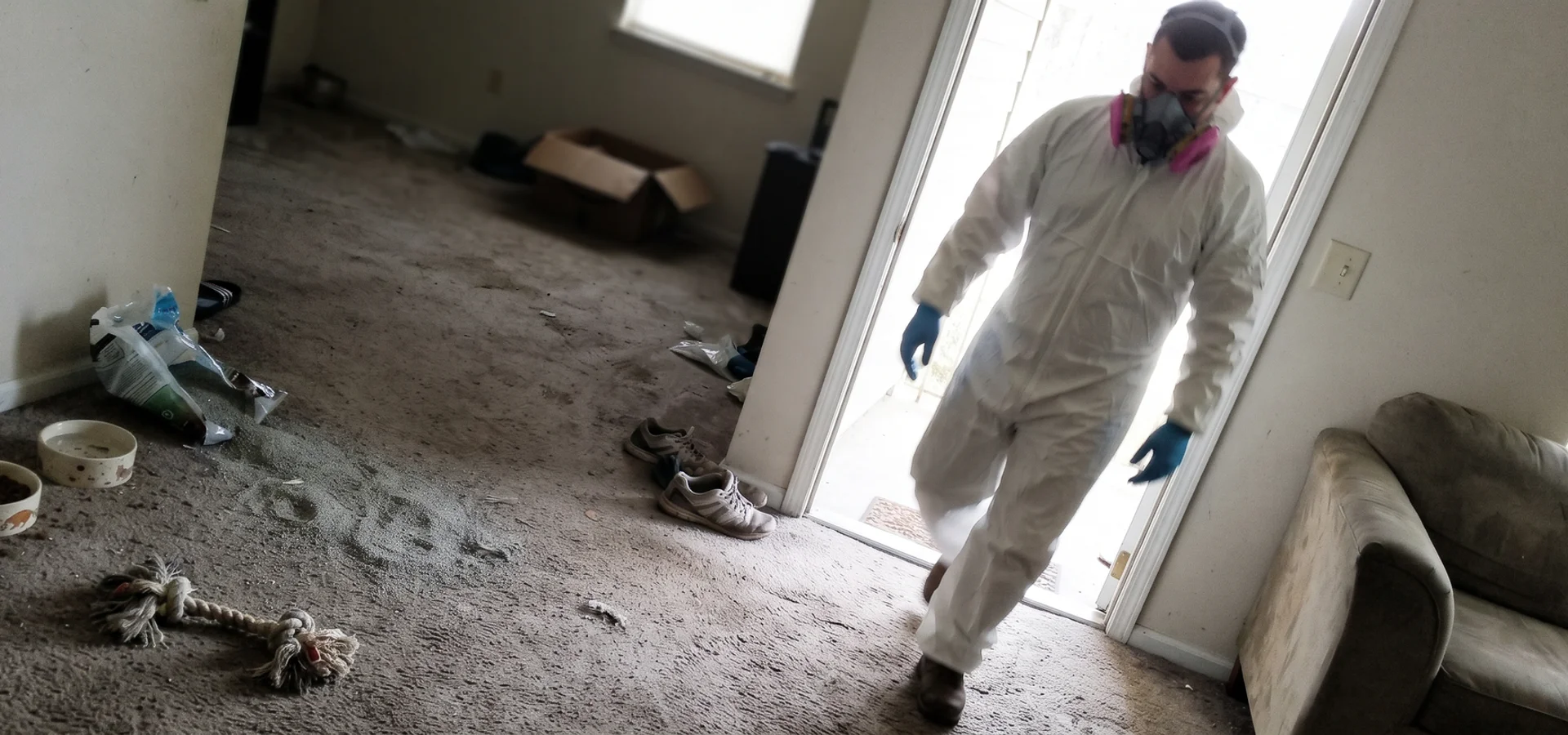
Technician in respiratory protection entering a Cleveland home affected by animal hoarding

Animal Hoarding & Pet Feces Remediation in Cleveland

Complete remediation of pet and animal waste, from cat urine and ammonia to feces and rodent contamination, restored to market-ready condition.

  • OSHA & HAZWOPER certified
  • 24/7 emergency dispatch
  • Written estimate first
  • BBB A+ accredited
Call Now for a Free Estimate Upload Photos for a Quote $2,500 - $15,000 custom estimate by severity and square footage affected
  • A+ Rated BBB accredited, 10+ Years
  • 24/7 Emergency Dispatch
  • OSHA & HAZWOPER Certified
  • Transparent Written Estimates
  • Veteran-Owned, 18+ Years

What is animal hoarding and pet feces remediation?

Severe animal hoarding and pet squalor carry biohazards that ordinary cleaning cannot safely address. Ammonia toxicity from saturated urine, zoonotic pathogens in feces, and rodent-borne disease in dander and droppings all sit in the same property, and each one requires different handling. This is remediation work, not deep cleaning, and the distinction is not academic when someone is about to walk into the house without a respirator.

We assess with 4-gas atmospheric monitoring before anyone enters, checking ammonia, hydrogen sulfide, carbon monoxide, and lower explosive limit. In heavily affected homes the ammonia reading alone is often enough to keep a homeowner outside until the property has been ventilated. From there we remove saturated flooring and materials, extract feces and gross filth, HEPA-vacuum rodent dander and droppings, apply bio-enzymatic treatment to break down residual urine crystals, and seal the substrate with antimicrobial primer.

The reason so many of these jobs come to us as second attempts is simple. Urine does not stay in the carpet. It goes through the carpet, into the padding, into the plywood or plank subfloor, and in long-standing cases into the joists. Shampooing the surface removes the stain and leaves the source. Three weeks later, the first warm humid day brings all of it back, and the homeowner assumes nothing can be done.

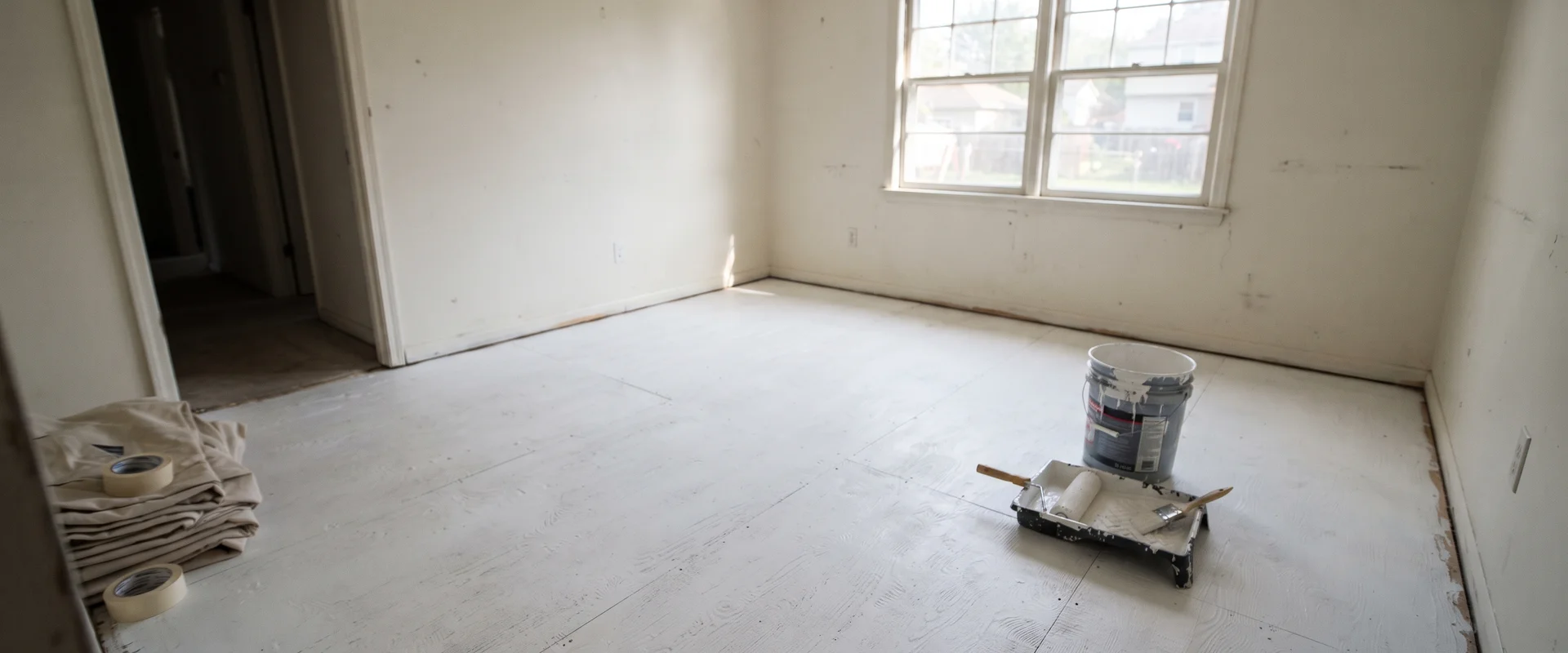
Something can be done. The result is a home restored to sellable, livable condition, with before and after documentation for landlords, sellers, and realtors who need to show a buyer that the problem was solved rather than covered.

Common problems we solve

Air that is not safe to breathe

Concentrated ammonia is the hazard people walk into without thinking. Our first action on these jobs is a monitor reading at the door, and occasionally our advice is that nobody goes in until we have ventilated.

Odor that returns after a professional carpet cleaning

If the padding and subfloor were left in place, the source is still there. We remove, treat enzymatically, and seal, which is the only sequence that produces a permanent result.

A rental that cannot be shown or leased

Landlords call us when a unit is unrentable and the turnover clock is running. Full flooring removal, sanitization, odor abatement, and documentation get the unit back on the market.

Rodent contamination underneath the pet damage

Where food and waste have accumulated, rodents follow. Dried droppings must be HEPA-vacuumed rather than swept, because sweeping aerosolizes hantavirus. We handle that as part of the same scope.

What’s included

  • 4-gas atmospheric monitoring for ammonia, hydrogen sulfide, carbon monoxide, and LEL before entry
  • Saturated carpet, padding, and flooring removal and disposal
  • Gross filth and animal fecal waste extraction
  • HEPA-filtered vacuuming for rodent dander, droppings, and nesting material
  • Disinfection of hard surfaces against toxoplasmosis, hantavirus, and leptospirosis
  • Bio-enzymatic treatment to break down residual urine crystals in the substrate
  • Subfloor encapsulation with antimicrobial primer sealant
  • Source-level odor neutralization and before and after reporting for owners and realtors

How this compares to the alternatives

The contaminationStandard carpet cleaningAnimal waste remediation
Air quality before entryNot measured4-gas monitoring for ammonia, hydrogen sulfide, carbon monoxide, and LEL
Urine that reached the subfloorShampooed at carpet level onlySaturated carpet, padding, and flooring removed, substrate treated
Uric acid crystalsDetergent cannot break them downBio-enzymatic treatment followed by antimicrobial primer sealant
Droppings and nesting materialSwept, which aerosolizes pathogensHEPA-filtered vacuuming, then disinfection for toxoplasmosis and hantavirus
Result three months laterOdor returns with heat and humiditySource removed and sealed, with before and after reporting
Transparent Pricing

How much does animal hoarding cost?

We publish our ranges because you deserve to know before you call. The written estimate that follows a free photo review is the number that holds.

Contained Pet Damage

One or two rooms, flooring removal, moderate urine saturation.

$2,500 - $5,000
  • Atmospheric monitoring before entry
  • Saturated carpet and padding removal
  • Enzymatic treatment and subfloor sealing
  • Odor neutralization in affected rooms
Get a Free Estimate
Most common

Whole-Home Remediation

Multi-room animal hoarding with feces, urine, and dander throughout.

$5,000 - $10,000
  • Everything in Contained Pet Damage
  • Full-property flooring removal
  • Gross filth and fecal waste extraction
  • HEPA vacuuming for rodent dander and droppings
  • Whole-property odor abatement
  • Before and after reporting for owners or realtors
Get a Free Estimate

Severe Animal Hoarding

Extensive contamination, structural saturation, restoration to market-ready.

$10,000 - $15,000+
  • Everything in Whole-Home Remediation
  • Subfloor replacement where saturation has gone through
  • Structural and joist cavity decontamination
  • Ozone or hydroxyl molecular odor treatment
  • Contractor coordination for rebuild and re-flooring
Get a Free Estimate

Animal waste remediation is priced by how much saturated material has to come out and how far urine has reached into the substrate. A free photo review gets you a written estimate, and where ammonia levels are a concern we will tell you not to re-enter until we have monitored the air.

Try our free hoarding cleanup cost estimator

Get an instant ballpark estimate for hoarding cleanup based on home size, severity level, and dumpsters needed.

Get an instant estimate
Why Choose Us

Why choose Cleveland Hoarding Pros for animal hoarding?

We check the air before you go back in

Ammonia toxicity from cat urine saturation is the hazard people underestimate most. A 4-gas monitor reading takes two minutes and has kept more than one homeowner out of an emergency room.

Zoonotic pathogens handled properly

Toxoplasmosis, hantavirus, and leptospirosis are real risks in these environments. Our PPE, containment, and disinfection protocols are built around them rather than around general cleaning.

We follow the urine to where it stopped

Cleaning carpet in a cat-hoarding home accomplishes nothing. Urine crystals sit in the padding and the subfloor, and only removal, enzymatic treatment, and sealing will resolve them.

Market-ready, not just empty

Landlords and sellers need a property that passes a showing. We finish with sealed substrate and neutral air, and we give you before and after documentation to show buyers or the next tenant.

No judgment about the animals

Animal hoarding almost always starts as someone trying to help. Our crews do not lecture, do not comment, and do not discuss the property outside the company.

One crew for the whole problem

Waste extraction, dander, droppings, flooring, odor, and structural sealing are all handled under one written scope rather than three vendors pointing at each other.

Our Process

How does animal hoarding work?

  1. 01

    Monitor before anyone enters

    Concentrated ammonia from saturated urine is a genuine respiratory hazard. We take a 4-gas atmospheric reading at the door before a single person walks in, including you.

  2. 02

    Assess saturation depth

    We determine how far urine has reached: carpet only, padding, subfloor, or through to the joists. This drives both the scope and the price, and we show you what we found.

  3. 03

    Remove and decontaminate

    Saturated flooring and materials come out, feces and gross filth are extracted, and HEPA vacuums clear dander and droppings. Hard surfaces are disinfected against zoonotic pathogens.

  4. 04

    Seal, treat, restore

    Enzymatic treatment breaks down residual urine crystals, antimicrobial primer seals the substrate, and odor abatement finishes the job. The result is a home that can be lived in or listed.

Get a free written estimate for animal hoarding

Send photos or call. There's no charge to ask and no pressure to book, and you'll have a number in writing before we schedule anything.

Our Work

Our animal hoarding work

Click any image to enlarge. Every photograph here is representative work, published with client permission and with identifying detail removed.

Testimonials

What customers say about our animal hoarding

“I manage 40+ rental units in the Cleveland area. When a tenant left behind a cat-hoarding nightmare, feces in every room and destroyed flooring, they had it market-ready in four days. The estimate was accurate to the dollar.”
David K. Lakewood, OH
“The finished basement was the worst part. They sealed the subfloor and the smell never came back.”
Mike J. Strongsville, OH
“Unit had been shut off for two months. They took it from unrentable to leased in a week.”
Marcus T. Euclid, OH
Answers

Animal Hoarding FAQs

Is cat urine actually dangerous in large amounts?

Yes. Concentrated urine releases ammonia, and in a closed home with many animals the airborne concentration can reach levels that cause eye, throat, and lung irritation and in severe cases chemical burns to the respiratory tract. We take a 4-gas atmospheric reading before entry for exactly this reason, and we will tell you plainly if the property is not safe to walk through.

What diseases can come from an animal hoarding environment?

Toxoplasmosis from cat feces, hantavirus from rodent droppings and dander, and leptospirosis from contaminated surfaces are the primary zoonotic concerns. Airborne dander and mold that develops in saturated material also create respiratory risk. These are not exotic worst-case scenarios, they are the ordinary hazards of this work.

Can pet urine damage be fully removed, or do we just cover it?

It can be fully removed when the work is done properly. Urine crystals bind into carpet padding and soak into subfloor. Saturated material must come out, the substrate is then treated with a bio-enzymatic cleaner that breaks down the residual crystals, and finally sealed with antimicrobial primer. Shampooing the carpet or spraying a deodorizer will not hold, and the smell returns on the first humid day.

Will we need to replace the flooring?

Almost always in the affected rooms. Carpet and padding are never salvageable. Whether the subfloor can be treated and sealed or needs to be cut out depends on how deep the saturation went, and we determine that during the assessment rather than mid-invoice.

How much does animal hoarding cleanup cost?

Contained pet damage in one or two rooms typically runs $2,500 to $5,000. Whole-home remediation with feces, urine, and dander throughout generally runs $5,000 to $10,000. Severe cases requiring subfloor replacement and structural decontamination run $10,000 to $15,000 or more. A free photo review produces a written estimate before anyone comes out.

Can a pet-damaged home really be sold?

Yes. We restore properties to market-ready condition regularly, and the before and after documentation is often what convinces a buyer. What kills a sale is a partial job, where the visible damage is repaired but the odor comes back during the inspection period.

What about rodent droppings and nesting material?

Rodent contamination is handled with HEPA-filtered vacuuming rather than sweeping, because disturbing dried droppings aerosolizes hantavirus. Nesting material is removed, affected cavities are disinfected, and entry points are documented so a pest contractor can seal them.

How long does the work take?

A one or two room job is usually one to two days. A whole-home remediation typically runs three to four days. Severe cases with subfloor replacement can take a week or more. Odor treatment may add a day at the end. Your written estimate includes the timeline.

Do you work with landlords and property managers?

Frequently. We schedule around lease turnover dates, provide certificates of insurance where a building requires them, and deliver before and after reporting formatted for owners. In multi-unit buildings we contain and run negative air so occupied units are not affected during the work.

What if the animals are still in the home?

We do not remove or handle live animals. Where animals are still present, the property owner or the relevant animal welfare authority needs to arrange placement before remediation begins. We can schedule around that and we will not make the conversation harder than it already is.

Still have a question?

Call any hour. We answer 24/7 and there is never a charge to ask.

1-800-759-6960
Available 24/7 for emergency dispatch

Ready to talk about animal hoarding?

Complete remediation of pet and animal waste, from cat urine and ammonia to feces and rodent contamination, restored to market-ready condition. Call any hour, or send photos and get a free written estimate.

  • Written estimate before any work
  • Discreet unmarked vehicles
  • OSHA & HAZWOPER certified, fully insured
Call 24/7