
What these machines actually do
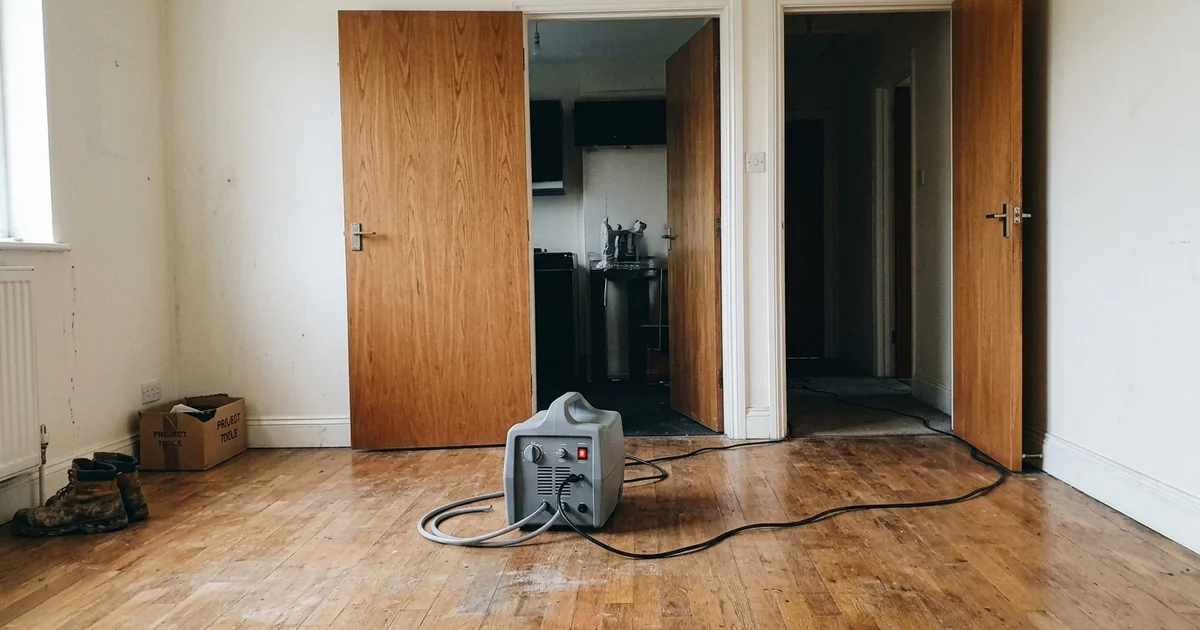
Both hydroxyl generators and ozone generators work on the same principle: they produce a reactive molecule that chemically alters odor compounds rather than covering them.
That is the important distinction from an air freshener. A freshener adds a scent to the air. These devices break the odor molecule apart, so there is nothing left to smell. When Severe Odor Removal works permanently, this is the chemistry behind the final stage.
The catch, and it is the whole story, is that they only reach what the air reaches.
Hydroxyl generators
Hydroxyl radicals occur naturally in the atmosphere and are a large part of why outdoor air does not accumulate odors. A hydroxyl generator produces them indoors using UV light and ambient humidity.
The radicals react with volatile organic compounds in the air and on exposed surfaces, breaking them into simpler compounds, primarily carbon dioxide and water.
Advantages: safe to run in occupied spaces, including with people, pets, and plants present. No evacuation required. Gentler on materials, so electronics, artwork, and rubber components are not at risk.
Limitations: slower. Cycles typically run 24 to 72 hours rather than overnight. Less aggressive on severe contamination, and it does not penetrate into a sealed cavity any better than ozone does.
Ozone generators
Ozone is O3, an unstable three-atom oxygen molecule. The third atom detaches readily and oxidizes whatever it contacts, including odor compounds, bacteria, and mould spores.
Advantages: fast and aggressive. Often resolves an entire property in one overnight cycle. Effective on smoke, decomposition, and heavy pet odor once the source is gone.
Limitations: unsafe to breathe. It irritates and can damage the respiratory tract, and it degrades rubber, some plastics, and certain artwork and textiles over repeated exposure.
The ozone rule that is not negotiable
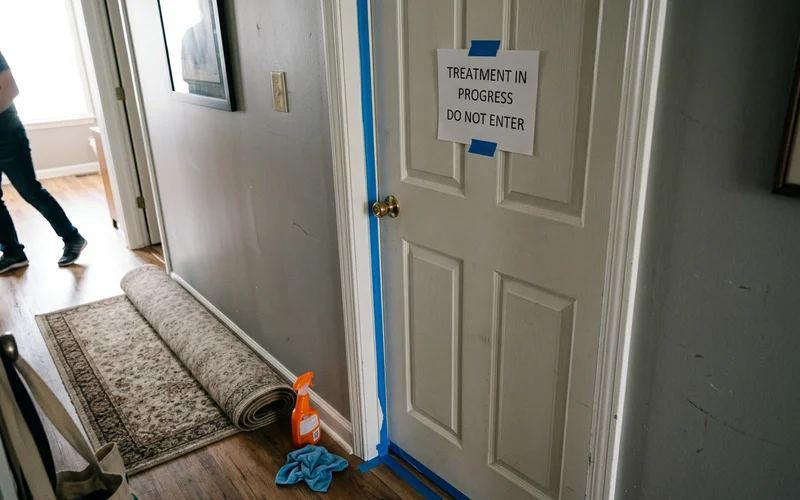
Nobody and nothing occupies the property during treatment. Not people, not pets, not plants. The space is sealed at doorways and vents, signed, and then properly ventilated before re-entry. Every ozone injury we have heard about came from ignoring one of those steps.
Thermal fogging
A third technique, used alongside rather than instead of the other two.
A deodorizing compound is heated into a fine vapour that behaves like smoke, penetrating the same cracks, cavities, and porous surfaces that smoke originally reached. It is particularly effective on fire and cigarette odor for exactly that reason.
Fogging is applied in an unoccupied property and followed by ventilation.
Choosing between them
| Situation | Usual choice |
|---|---|
| Occupied home, moderate odor | Hydroxyl |
| Empty rental between tenants | Ozone chambering |
| Heavy smoke through a whole property | Thermal fogging plus ozone |
| Decomposition after source remediation | Hydroxyl or ozone depending on occupancy |
| Property with sensitive contents remaining | Hydroxyl |
| Tight turnover deadline, property empty | Ozone |
We make this call during assessment and it appears on your estimate. If somebody proposes a treatment without first telling you what the source is and how it will be removed, that is the wrong conversation.
Why sealing comes first
This is the part that decides whether the treatment holds.
Air treatment reaches air and exposed surfaces. It does not reach into a saturated subfloor beneath intact flooring, into a wall cavity, or into carpet padding. If the source is still there, the treatment neutralizes what is currently airborne and the reservoir underneath refills it within days.
The correct sequence is always: remove saturated material, treat the substrate enzymatically, seal it with antimicrobial primer, and only then treat the air. Sealing is what stops residual compounds re-releasing as temperature and humidity change.
This is why a rented ozone machine so reliably disappoints. It performs the fourth step of a four-step process and skips the first three.
What to expect during treatment
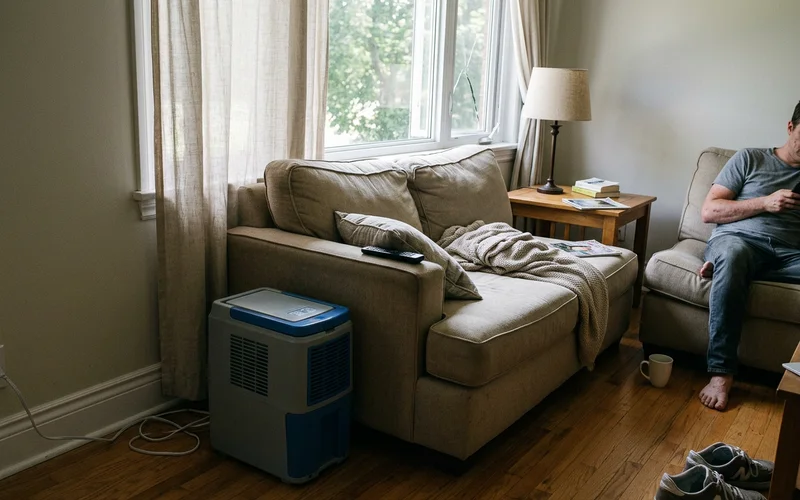
For hydroxyl in an occupied property: machines run continuously for one to three days. There is a faint clean odor similar to after rain. Normal occupancy continues.
For ozone in an empty property: the space is sealed and signed, the cycle runs for a set period, and then a ventilation period follows before anyone re-enters. Total elapsed time is usually 24 to 48 hours.
Afterwards we verify resolution before releasing the property, and the documentation goes into your Client Portal.
If you are still working out why the odor persisted through earlier attempts, our guide on what causes lingering household odors explains where the compounds hide and why conditions change how strongly you notice them.