
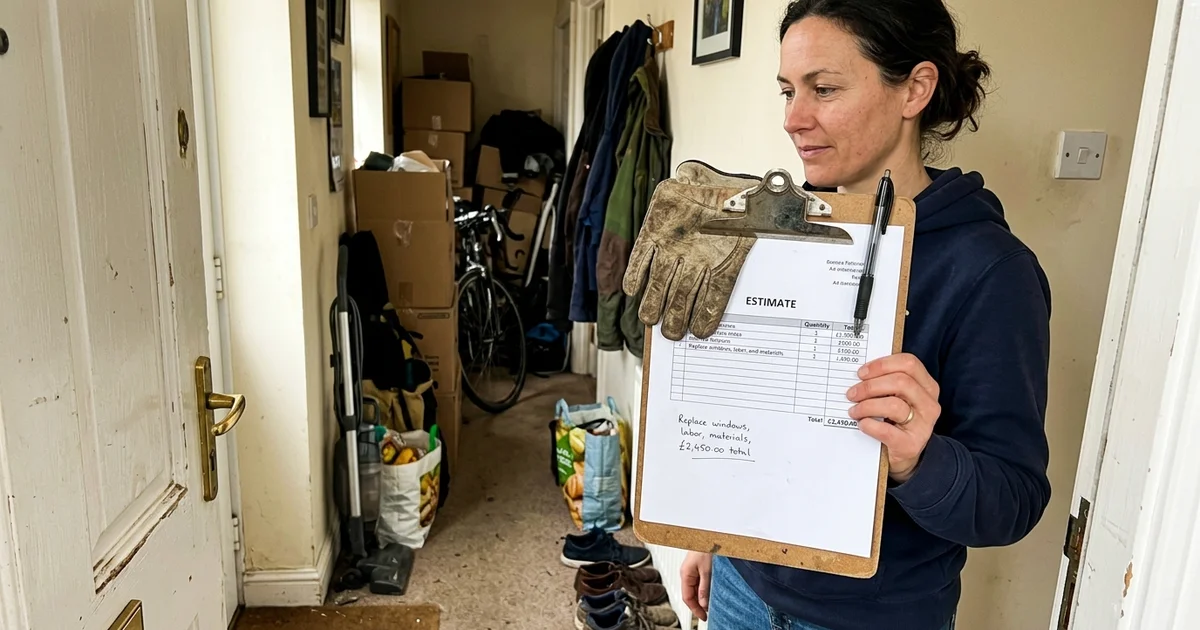
The numbers, before anything else
We publish these because you should not have to make a phone call to find out whether this is a two-thousand-dollar problem or a twenty-thousand-dollar one.
| Level | Description | Typical range | Timeline |
|---|---|---|---|
| Level 1 | Single-story, roughly 1,200 sq ft, ankle-deep, minor sorting, one dumpster | $2,500 - $4,500 | 1 to 2 days |
| Level 2 | Two-story, roughly 2,300 sq ft, waist-deep, moderate sorting, three dumpsters | $5,000 - $10,000 | About 3 days |
| Level 3 | Two-story, roughly 3,200 sq ft, floor-to-ceiling, extensive sorting, up to six dumpsters | $12,000 - $25,000+ | 4 to 6+ days |
Our average Level 2 project lands near $6,000 and takes three days. That is the single most common outcome for Hoarding Cleanup across Northeast Ohio, and it is a useful anchor when you are trying to budget.
What actually moves the number
Six factors decide where a project lands inside its range.
Severity, not square footage. Two identical homes can differ by four dumpsters depending on what is inside them. We assess against the ICD Clutter-Hoarding Scale, which is why photographs matter more than a floor plan.
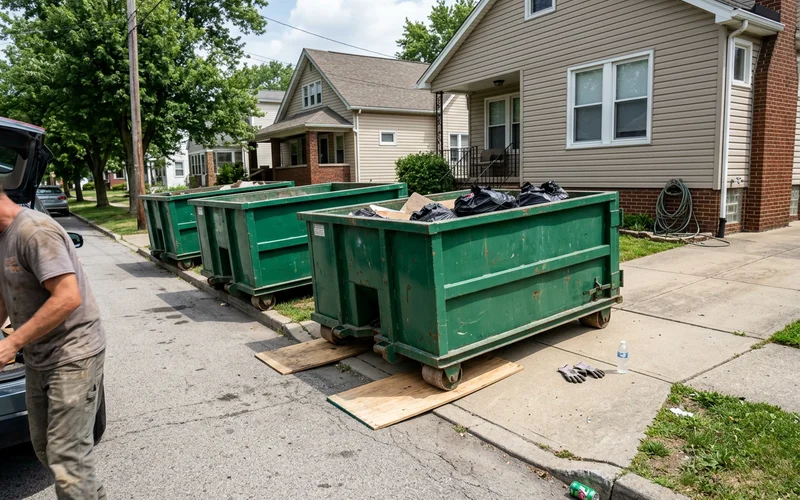
Volume and dumpster count. Container hire and disposal tonnage is the single largest line on most hoarding jobs. Compressed paper in particular is far heavier than people expect, and a single room of newsprint can fill a container.
Sorting complexity. A home where everything can be loaded is much faster than one where every box is opened at a table. If you need documents and valuables recovered, and almost everyone does, that is crew hours and it appears as its own line.
Access. A wide Strongsville driveway takes a full-size roll-off on day one. A Lakewood street with no driveway width may need a smaller container, more frequent swaps, and a right-of-way permit. Access changes logistics cost, not the base rate.
What is underneath. Once the floor is visible, the real condition appears. Pet urine saturation, rodent contamination, spoiled food, mould where stacks sat against an exterior wall. That work is remediation, and it adds flooring removal, subfloor treatment, and antimicrobial sealing.
Crew size and days. We size the crew to the volume rather than stretching a small team across a week. A properly staffed Level 2 finishes in three days. An understaffed one takes six and costs you more in total.
Why our estimate is itemized
So you can see which of the six factors is driving your number, and so you can compare our scope against anyone else’s rather than comparing two totals that describe different work.
How to get a real number today
Take photographs of each room from the doorway, including the floors. Use your phone. They do not need to be good.
Send them. We return a free, itemized written estimate, usually the same day, and there is no obligation attached to it.
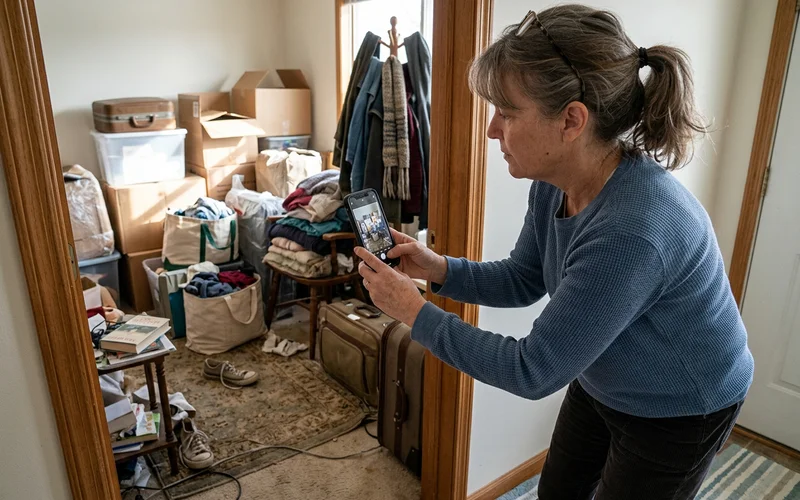
Photographs cannot show what is underneath the accumulation, so an honest estimate notes where conditions may change once volume is removed. If we find something the photographs could not show, we stop, tell you, and get written approval before doing additional work. That is the whole mechanism, and it is why our estimates hold.
About the cheaper phone quote
If you have already called three companies, one of them almost certainly gave you a firm number over the phone without seeing anything, and it was meaningfully lower than ours.
That number is not a quote. It is a way of getting a signature and a deposit. The final invoice on a job priced that way routinely lands at double, and the leverage conversation happens when the house is half empty and a crew is standing in it.
Here is how to test it. Ask for it in writing, itemized. Ask what happens if they find more than expected. Ask whether sorting for valuables is included or extra. Ask who disposes of biohazard material and how. The answers, or the reluctance to give them, will tell you what you are buying.
Will insurance pay for it?
Usually not, and we would rather say so here than after the work.
Homeowner’s policies respond to sudden covered perils. Accumulation over years is not one. The exception is where a covered event such as a burst pipe, a fire, or storm damage caused or substantially worsened the condition, in which case the remediation attributable to that event may be covered.
Trauma and unattended death cleanup is different and is usually covered. Where a hoarded property also involves a death, part of the work may be claimable and part may not. We separate those lines on the estimate so the claim is clean.
Ways to bring the number down
There are legitimate ones, and we will tell you about them.
Removing items you want to keep before we arrive reduces sorting hours. Handling the donation stream yourself, if you have the time and a vehicle, removes a line. Scoping a single floor or a single problem area rather than the whole property is often the right first project, particularly where the goal is restoring safety rather than emptying a house.
And if the timing is difficult, say so. Staging a project across two visits is sometimes workable. We would rather have that conversation than watch someone walk away from a property that genuinely needs the work.
To work out which level a property sits at before you send photographs, our guide on the five levels of hoarding describes each one in detail.