
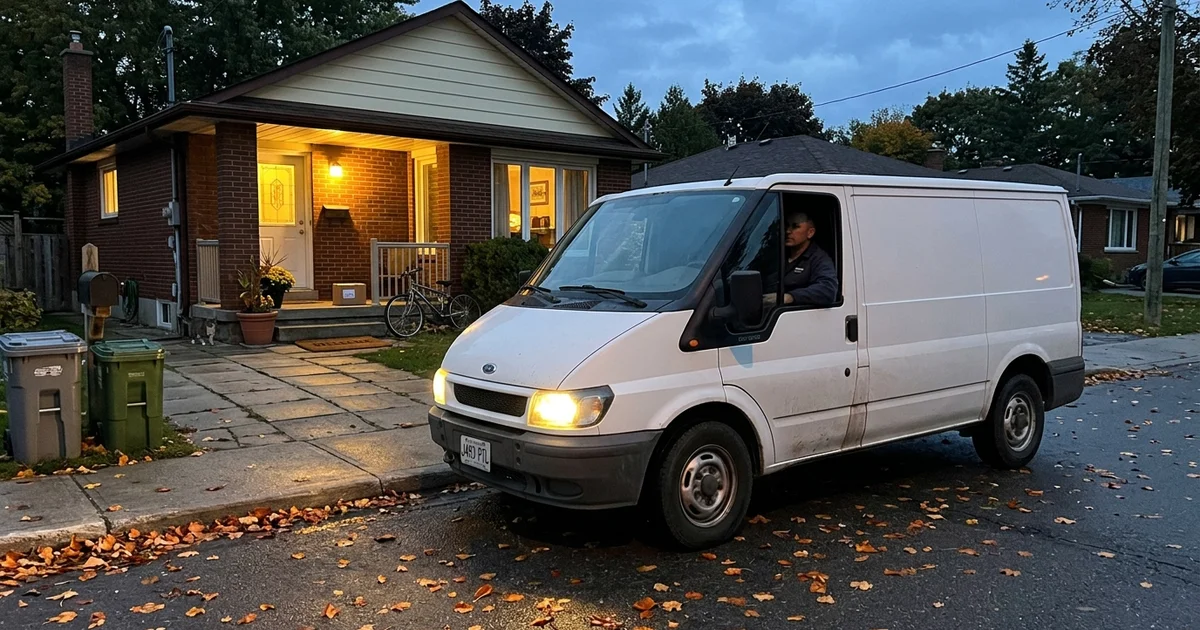
The honest answer: fast, and usually faster than the scene release
We dispatch 24 hours a day, seven days a week, across Cuyahoga, Lorain, and Lake Counties. Our crews stage inside Cuyahoga County and along the Lake and Lorain corridors rather than driving in from another state, which is why Crime Scene & Biohazard Cleanup in Northeast Ohio is a same-hour conversation rather than a next-week booking.
In practice, travel time is rarely the limiting factor. If authorities are involved, the limiting factor is when they release the property, and that is a process we handle for you.
Call first, even if you do not know what you need yet
There is no charge for the call and no obligation. Knowing an address and rough situation lets us begin coordinating while you are still working out what happens next.
What happens on that first call
The call is shorter and easier than people expect. We do not ask you to describe anything in detail.
What we need is an address, a phone number, and a rough sense of the situation. Whether authorities are on scene. Whether anyone is still in the property. That is enough to dispatch.
What we give you in return is what happens next and when. If we need to wait on a scene release, we will tell you that and we will make the call to the agency ourselves. If we can come now, we will tell you roughly when the van will be there.
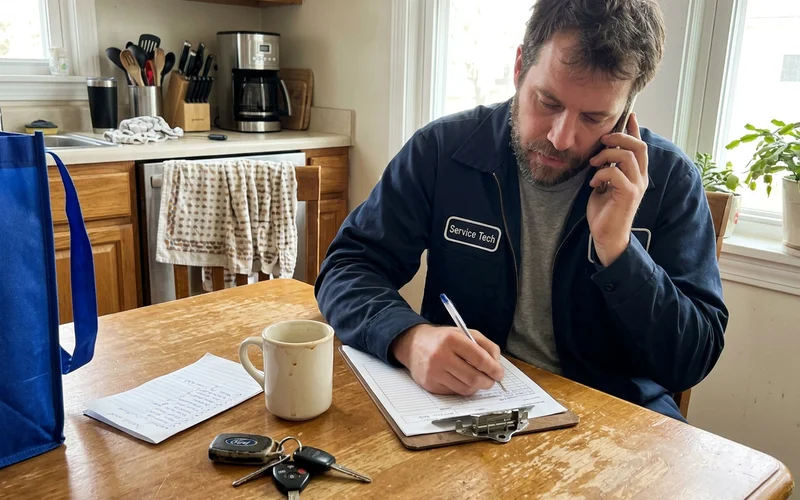
How scene release works in Cuyahoga County
Where a death is unattended, suspicious, or the result of violence, the responding police agency and the Cuyahoga County Medical Examiner’s Office control access until their work is complete. Nobody, including the property owner, can begin remediation before that.
Release usually happens the same day or the following day once the decedent has been transported and the investigating agency has what it needs. We coordinate timing directly with the agency, confirm the release, and mobilize from there. Families do not need to make those calls, and in our experience they should not have to.
Why response speed changes the cost
This is the part that surprises people, and it is worth being direct about.
| Time elapsed | Typical scope |
|---|---|
| Under 48 hours | Surface and flooring, contained remediation |
| Several days | Flooring plus subfloor treatment and sealing, odor treatment |
| Two weeks or more | Subfloor removal, joist cavity treatment, whole-property odor abatement |
Fluids do not stop moving when the incident ends. They keep travelling through carpet into padding, through padding into subfloor, and eventually into the joist cavity. Odor binds into everything absorbent in the space. The remediation scope grows with time, and the estimate grows with it.
None of that is anyone’s fault. Properties sit because nobody knew, because a family lives out of state, or because it took days to work out who to call. We say it plainly so that people who are weighing whether to wait understand what waiting costs.
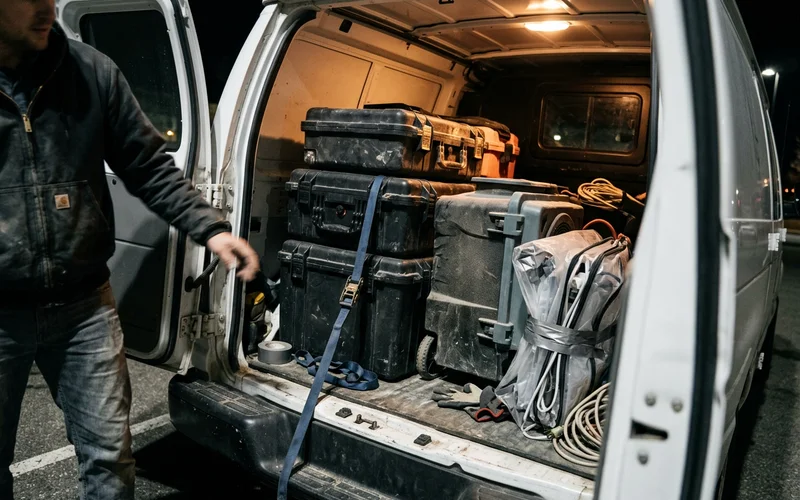
What to do in the next hour
Do not enter the affected area. Do not attempt to clean anything. Keep pets and children away from the space and, where possible, close the door and stop the HVAC system from circulating air through it.
Then call. If you are not sure what the next few steps look like beyond that, our guide on what to do after a death at home is a plain checklist of who to notify and in what order.
We answer at any hour, and we will tell you what needs to happen even if the answer is that nothing needs to happen tonight.